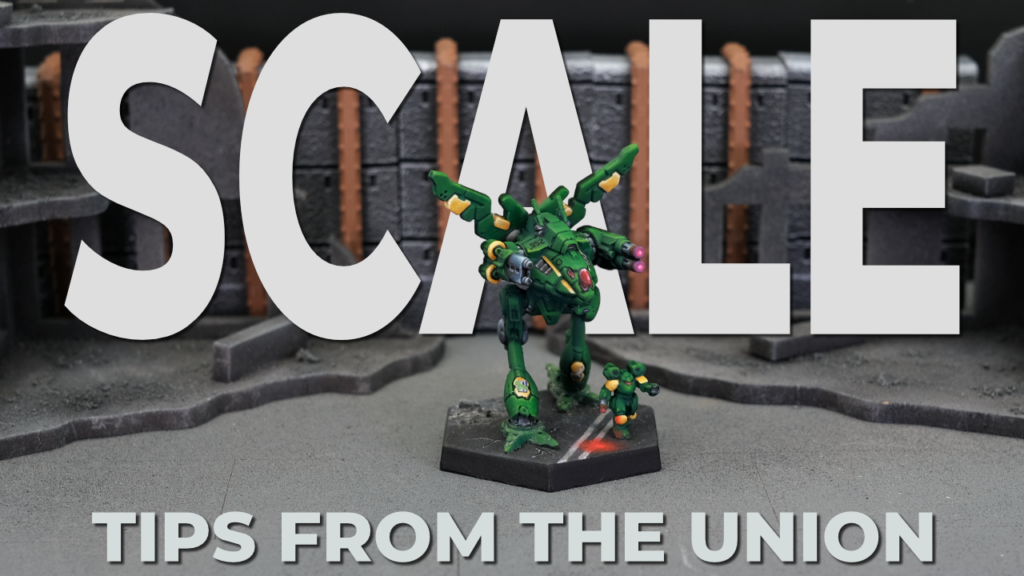
Welcome back, painters! I’ve taken a bit of a break from writing posts for the site for a few reasons, among them “I started writing for Goonhammer’s BattleTech desk,” “I’ve been working on a large Warhammer commission project,” and, most importantly, “I keep forgetting to take pictures of my WIPs so I can have photos for tutorials.” Whoops.
Thankfully, today’s topic doesn’t really require that of me.
A little background: the first things I ever painted weren’t miniatures. When I was a kid, I was an Air Force brat, bouncing around from base to base as my parents received new orders. The only real constant in my surroundings were military aircraft. Fighters, bombers, and cargo planes were constant sources of fascination for me, and as soon as I was old enough to handle them, I started assembling and painting scale models.
I fell off the wagon in middle school, but it’s been something I’ve always gone back and poked at throughout my life, all the way up to today. While I’m nowhere near as good a modeler as my friends are, I’ll still take the occasional break to spend an evening putting together a model plane (especially if the box says “Ace Combat” on it).
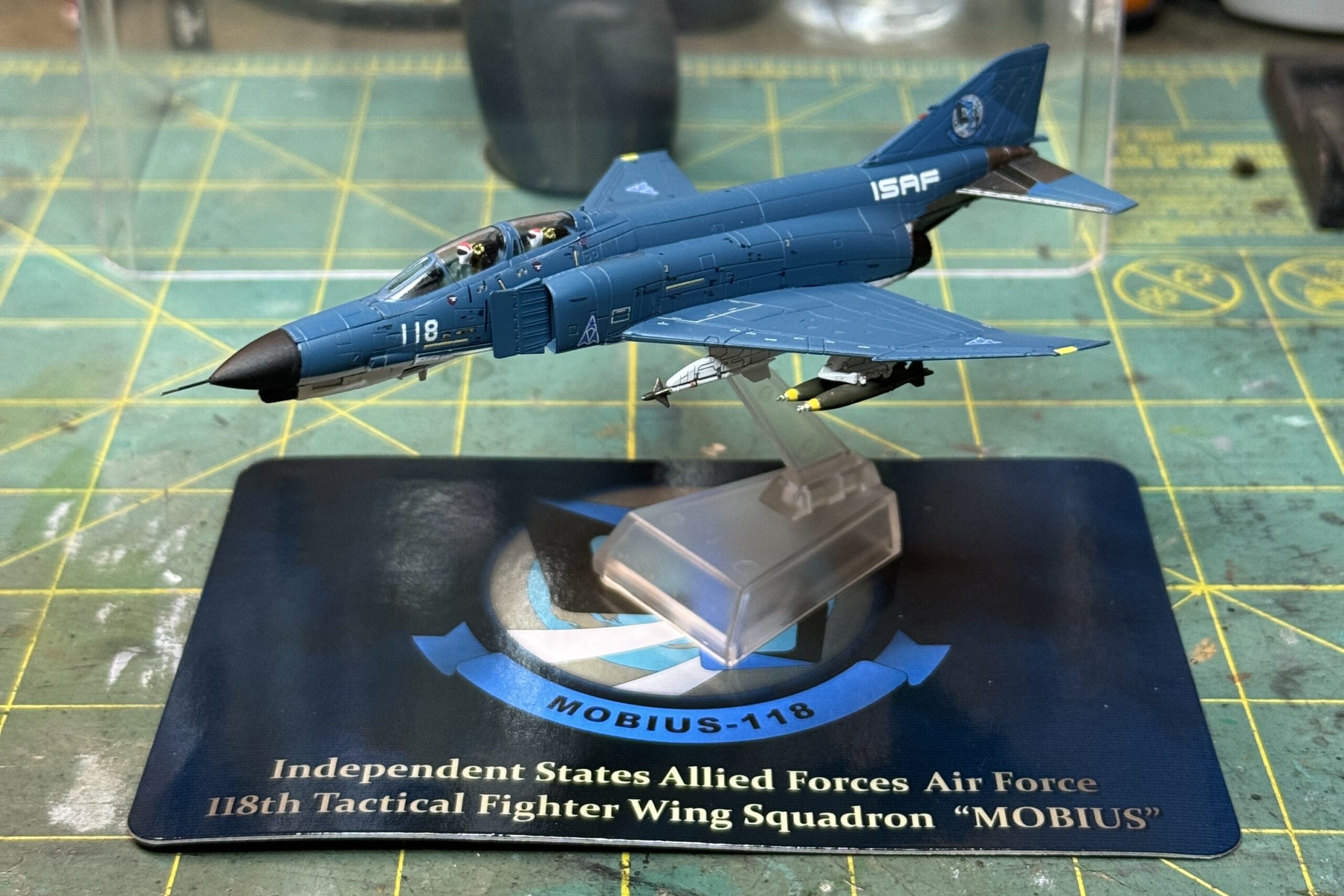
My background in scale modeling, combined with being part of social circles filled with people who also do scale modeling, like the spectacularly talented Skwerl, meant that some of those habits rubbed off on me when I started working on BattleTech miniatures. Indeed, one of the most backhanded complements I’ve ever received was from a CSO painter, who called my style “a good execution of the scale modeling style” before criticizing how I do basically everything else and basically putting GW’s ‘Eavy Metal style on a pedestal as “the way.” This has left me with a pretty huge chip on my shoulder, but I would argue that a lot of good habits have come out of that background when it comes to BattleTech, chief among them being an understanding of scale and how to establish it on such small models.
So, with that being said, what is scale? Scale is effectively how we replicate proportions with our miniatures. In the scale modeling world, you see this as a number. A model that is listed as “1:72” scale means that any part of the model measuring 1 inch would measure 6 feet (72 inches) in real life. This method of describing proportions holds true for other popular scales as well, such as 1:144 and 1:32 scale.
Modern BattleTech miniatures use a relatively unique proportion, being set at 1:265 in most cases. Older Iron Wind Metals models were sculpted to be 1:285, otherwise known as “6mm scale,” due to its ratio of 6mm being equivalent to 6 feet, but IWM-sculpted model scaling was not as strictly bound to this standard as CGL-sculpted models tend to be. Still, the differences between these two scales are negligible; a 1:265 model will have a 6-foot-tall person rendered at 6.9mm (nice) instead of 6mm. Knowing roughly what proportions we’re working at with BattleTech miniatures opens up a wealth of possibilities for detail work, especially when it comes to my specialty, decals.
Decals are where my background as an airplane foamer really snaps into sharp focus. When I look to apply decals to ‘Mechs, I tend to want markings that would reflect an evolution of modern aircraft markings. Military aircraft are covered in markings like warnings, access panel markings, serial numbers, tail codes, and kill markers, in addition to the standard unit markings and nationality roundels.
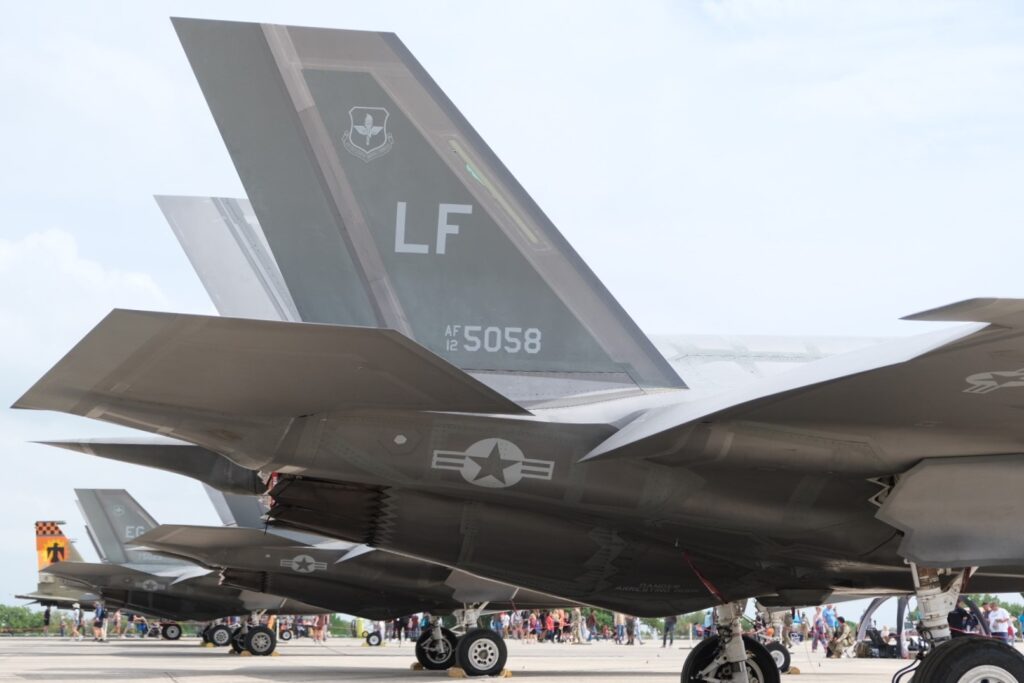
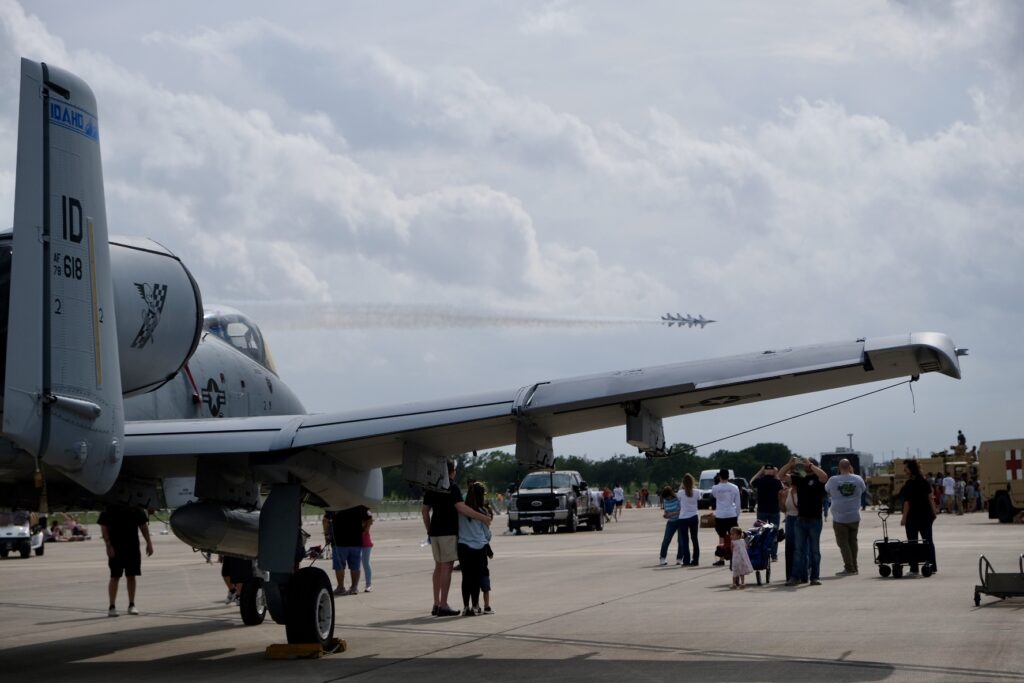
Why is this important? BattleTech, being a game about wholly fictional war machines, leaves the average viewer without a sense of how large they actually are when viewed in abstract. By adding markings similar to those we may have even passing familiarity with in the real world, we can very quickly establish a sense of scale based on those markings, or with similar items, such as foliage and other basing props. Even if you’ve never seen a military plane up close, you’ve certainly seen enough photos of them to know about how large they are relative to a human being.
Conveniently, those who backed the Clan Invasion Kickstarter also received a Scale Guide poster showing the heights of a handful of common Clan and Inner Sphere designs. Granted, the sizes are all in metric rather than Freedom Units, but we can work around that.
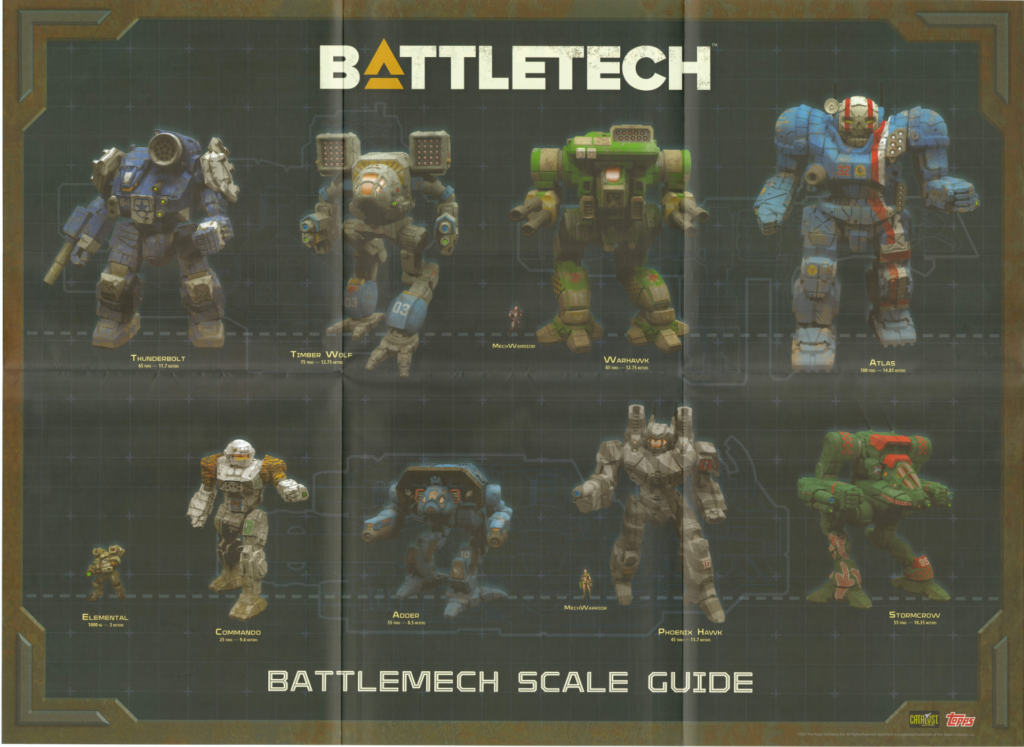
What we can take from this is that the height of an average ‘Mech ends up somewhere in the 10-12 meter range (32.8-37.4 feet, or 5-6 bald eagles), with some exceptions for unusually stout/tall designs like the Cougar and Annihilator. If your average ‘Mech is going to wind up being about 35 feet tall in “real life,” it should be about 40mm tall as a miniature.
Let’s circle all the way back to decals to understand how to put this information into practice.
Back when I first starting buying decals specifically for BattleTech, I started with Fighting Pirannha Graphics’ (sic) decals. Let me be very clear: I love FPG’s decals. They are consistently some of the easiest decals to work with, and the only official BattleTech decals on the market. I’ve had some of the third-party decals provided to me for commission work and they were uniquely stubborn when it came to getting them to lay flat and melt into the surface of the models. However, the size of FPG’s decals makes it difficult to use most of the sheets I order from them.
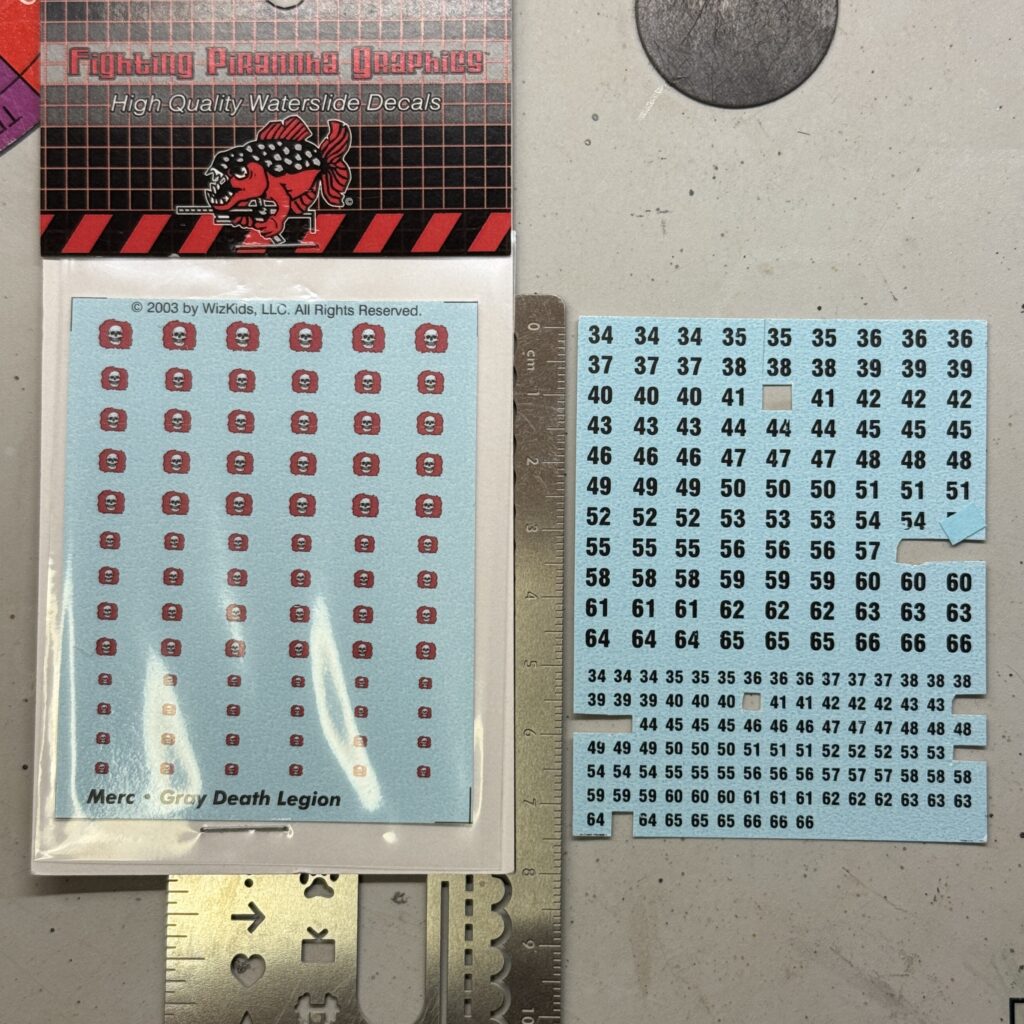
The top row of Gray Death Legion decals here are just over 4mm in either direction, meaning on a ‘Mech, they’d represent a roundel nearly 4 feet across. While that’s not without real-world precedent, that’s pretty big! Most BattleTech miniatures don’t have smooth surfaces large enough to accommodate decals of that size either. For my personal Grayson Marauder, I used a decal closer to 3mm in width for the shin plate, and one roughly 2mm wide for the side torso.
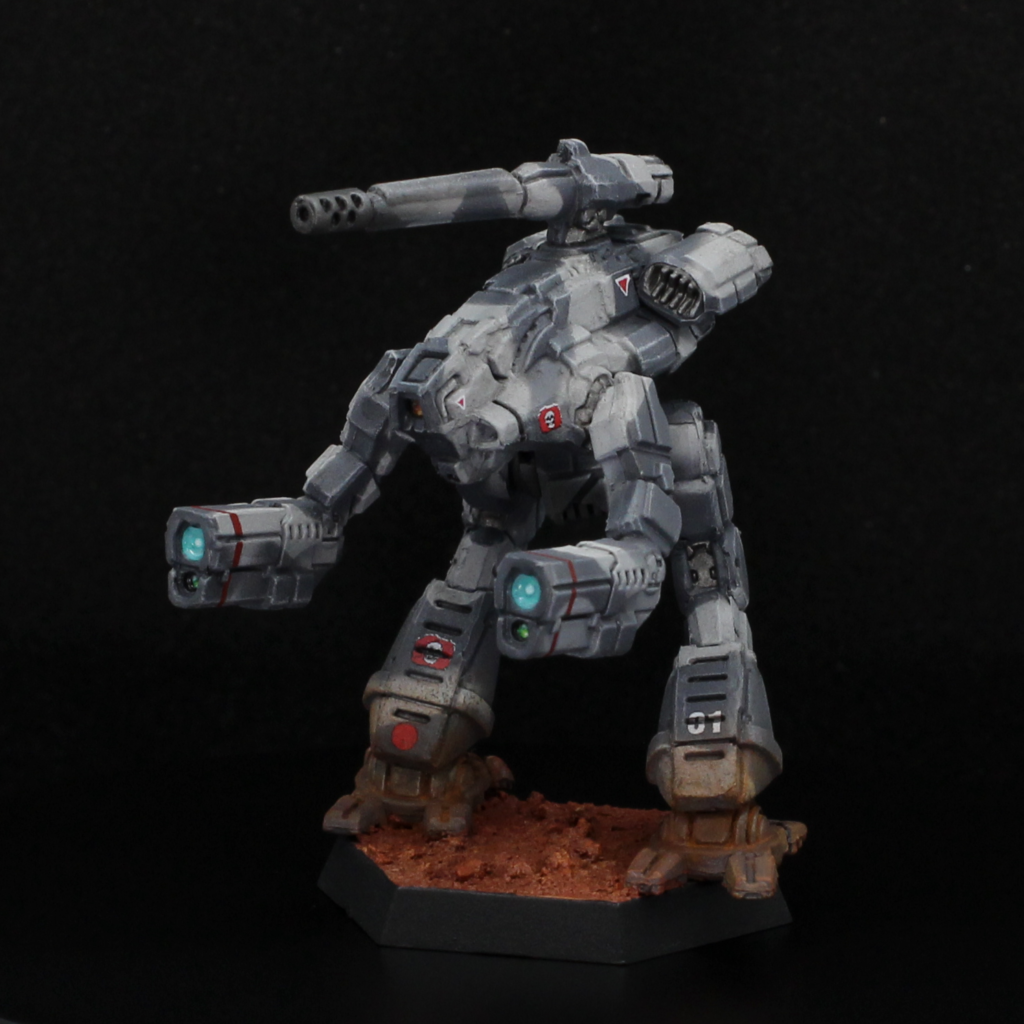
Remember that in many cases, these markings are for maintenance, rather than being visual IFF markers; not all numbers and roundels need to be “hi-viz” as computerized IFF systems will be doing most of the identification on the battlefield. As I’ve progressed in my painting journey, I’ve started preferring smaller and smaller decals, of similar proportions to modern armor and aircraft. My search eventually pushed me out of the usual decal spaces for BattleTech and into those used for “micro armor” games, typically played at 1:300 scale. The change in represented size is again negligible, but I tend to find symbols rendered at scales that feel much more realistic in the context of my own experience. Flight Deck Decals has been a fantastic source of well-proportioned numbers and panel markers, as has GHQ Models’ 1:285 line.
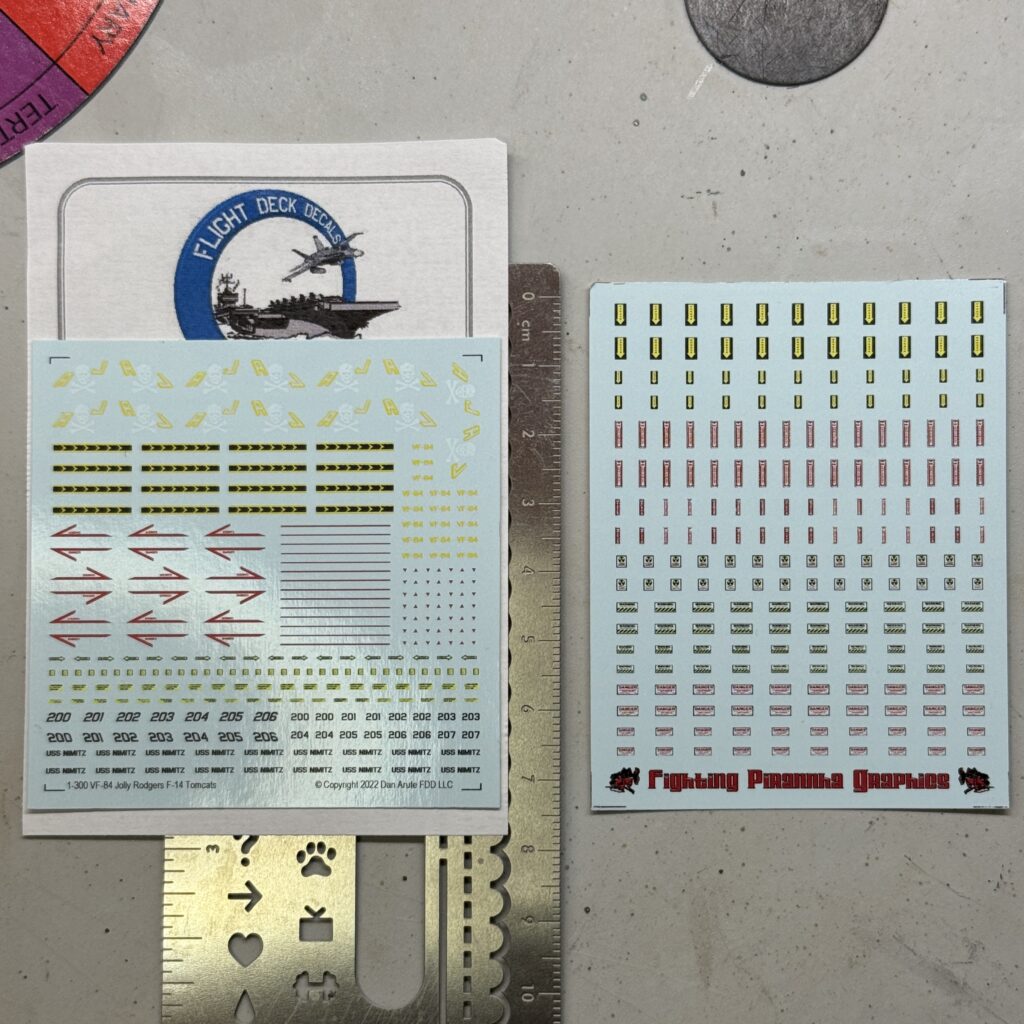
Here’s one example of a sheet of Flight Deck Decals numbers, compared to a sheet of number decals from Fighting Pirannha Graphics.
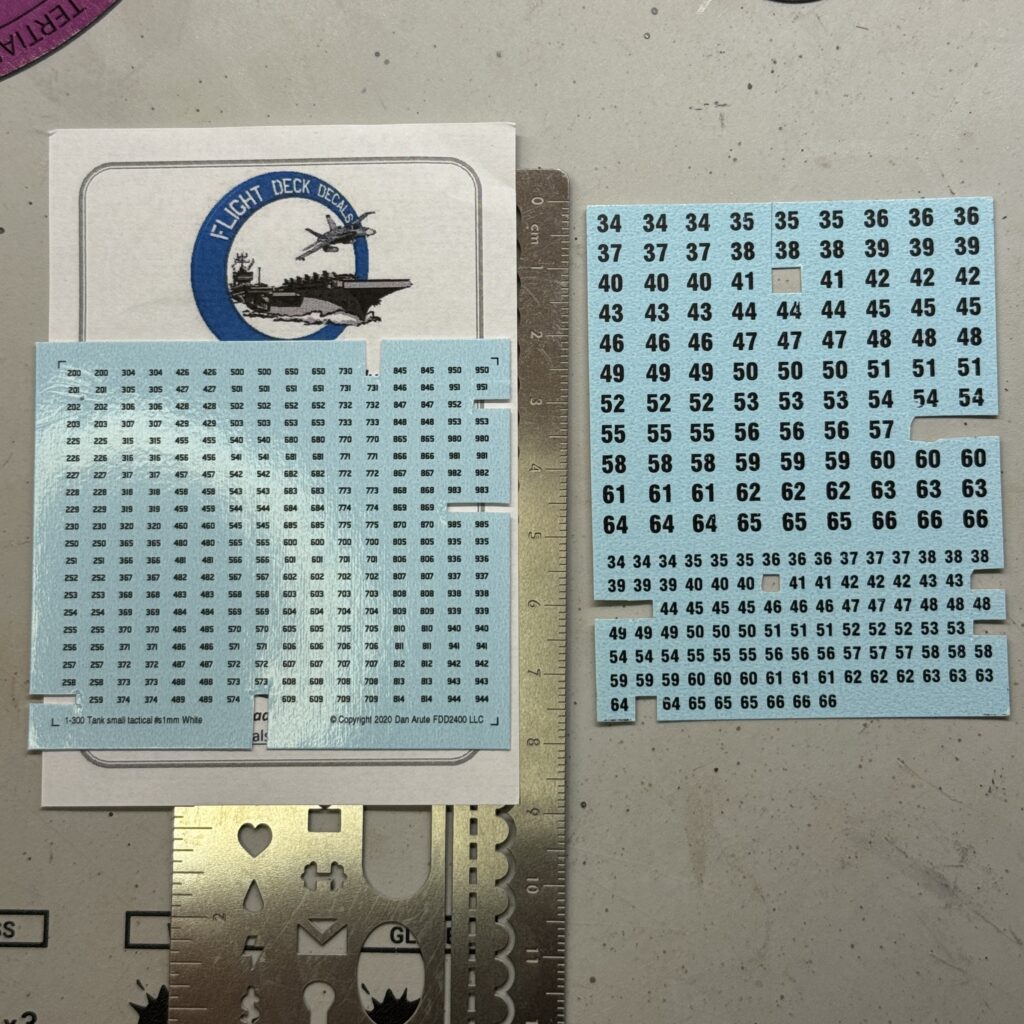
Despite their size, the numbers are still razor sharp and capable of being placed in far more locations than one would be able to use even Fighting Pirannha Graphics’ smaller numbers, giving the model a subdued, realistic appearance.
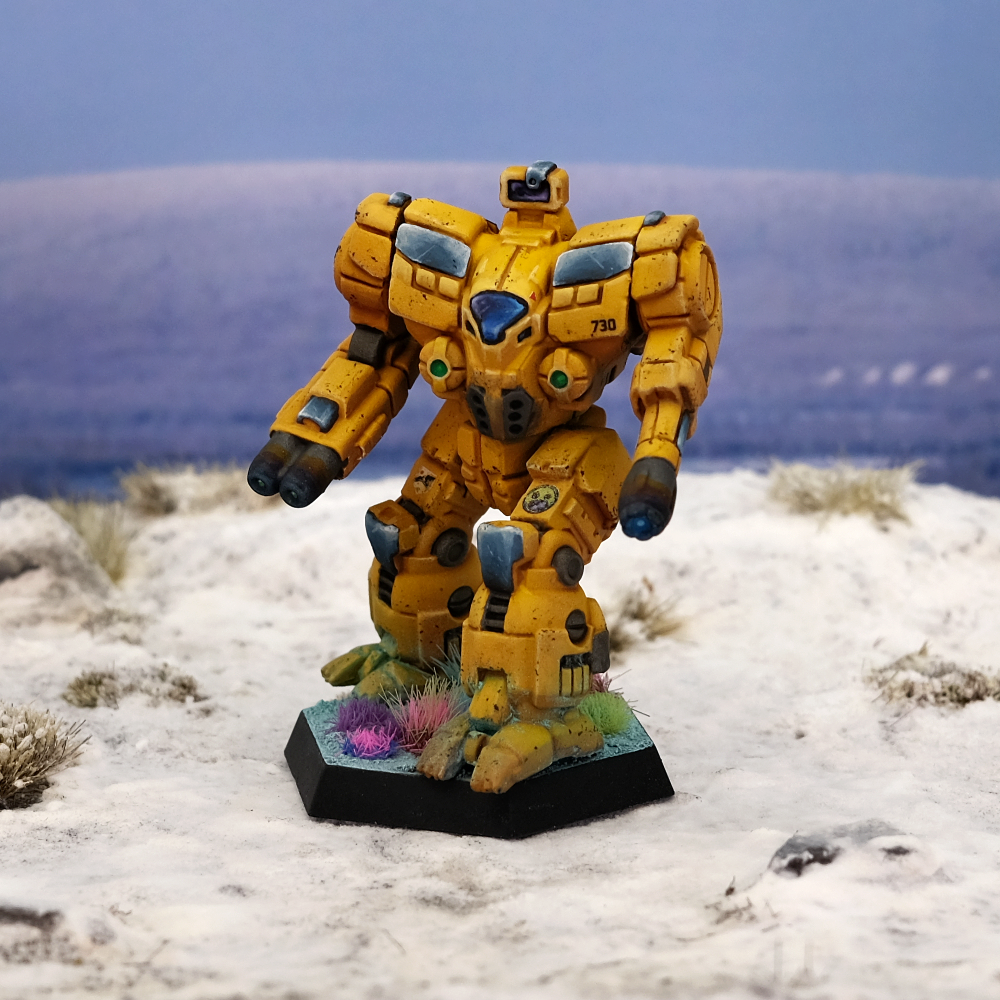
Warning markers are also available from GHQ and Flight Deck, again, in a smaller, more panel-friendly size than most of those included on Fighting Pirannha’s sheets. The triangular ejection seat warning markers on this VF-84 decal sheet are close to 1mm wide, or about 0.85 feet across at scale – large enough to be immediately noticeable by a technician, while being small enough to not scream “shoot here for pilot kill.” I will note that Fighting Pirannha makes sheets for Heavy Gear Blitz with similarly sized warning triangles, which I used on the Marauder further up, but since they’re made under license for Dream Pod 9, they cannot be ordered direct and must instead be bought from Dream Pod 9 directly or through a retailer who carries their products, such as Fortress Miniatures and Games.
“But Valk,” you say, “I don’t want to use decals to create scale! I don’t find it fun to cut out little itty bitty pieces of translucent paper that tear if you look at them funny and require a microscope to position correctly! How else can I create a sense of scale for my minis?”
Well, first of all, that’s totally valid, because decals have clearly driven me insane. However, you can still create a sense of scale by thinking about what goes around your mini, rather than what goes on it. Remember that the goal here is to establish an idea of how large these fictional machine actually are by juxtaposing them against things that we already have a frame of reference for in real life. That means we can also use the environment to establish scale. Familiar scatter props in 6mm scale, like oil drums, traffic cones, and concrete barriers, can help frame the scene in a way that’s easy to envision in real life. Everyone knows how big a person is, so you can use 6mm infantry figures to plant A Little Guy™ on your base and instantly provide a point of comparison for the viewer.
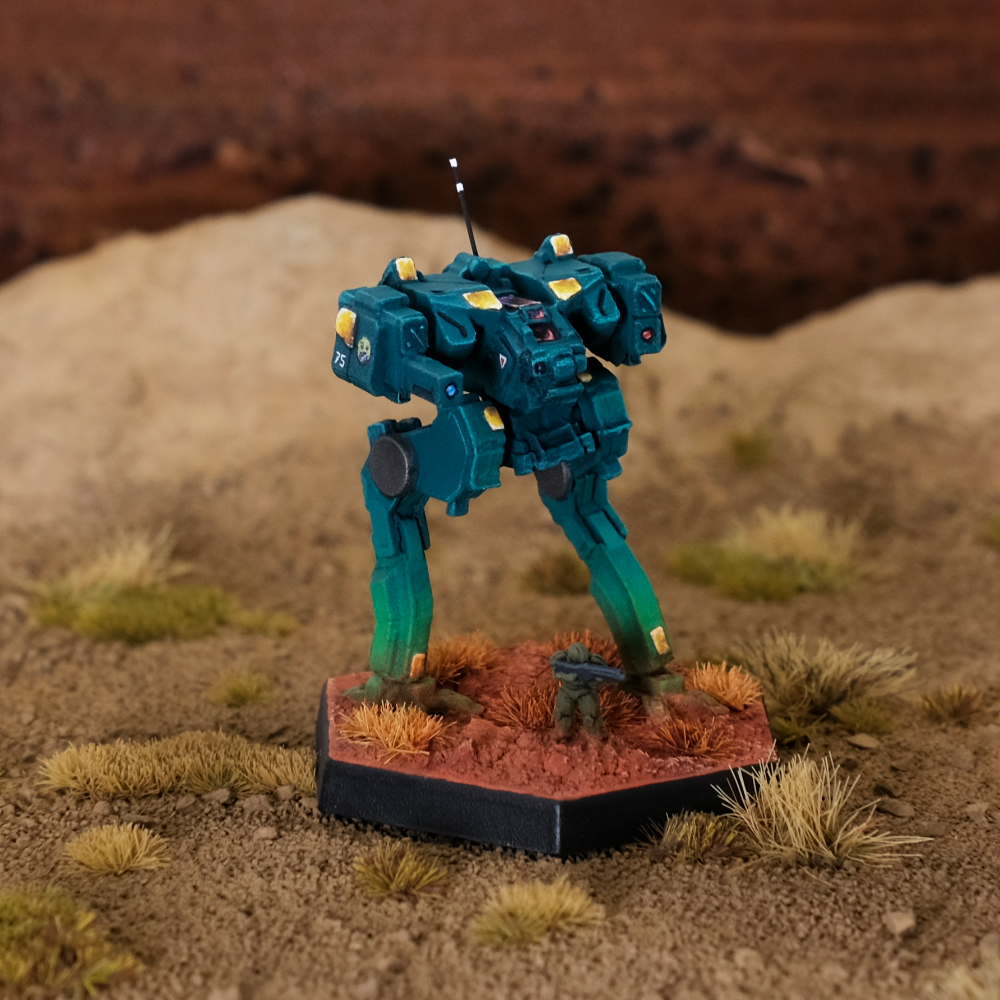
Foliage is also a critical part of establishing scale. Given that BattleTech miniatures fall into the 6mm-ish scale, regardless of origin, the vast majority of adhesive tufts sold for wargaming are often excessively large when used here. Typical adhesive tufts are about 6mm tall, designed to be used with games like Warhammer 40,000, which is normally a 28mm/1:56(ish) scale. This means that the average tuft you’ll find in a gaming store from Citadel or Army Painter will translate to a little over 1 foot tall in Warhammer, but becomes a massive, 6-foot-tall clump of tall grass when used for BattleTech.
There’s plenty of real-world grass species that can reach this height, but most grasses don’t consistently grow that tall, and your audience’s mental image of “grass” usually expects to see grasses that come up to 2-3 feet at most when left to grow wild. The good news is that there’s an increasing variety of wargaming tufts designed to give some diversity to your bases, both in foliage colors and in height. Gamer’s Grass has an entire collection of 2mm grass tufts, including their “Tiny Tufts” collection, available in an ever-widening variety of colors and shapes. Mixing and matching these smaller tufts with taller ones in the 4-6mm range, as well as small bunches of clump foliage to represent bushes, can help to populate your basing with foliage that is both biologically diverse and scaled in a way that allows your ‘Mechs to tower over it.
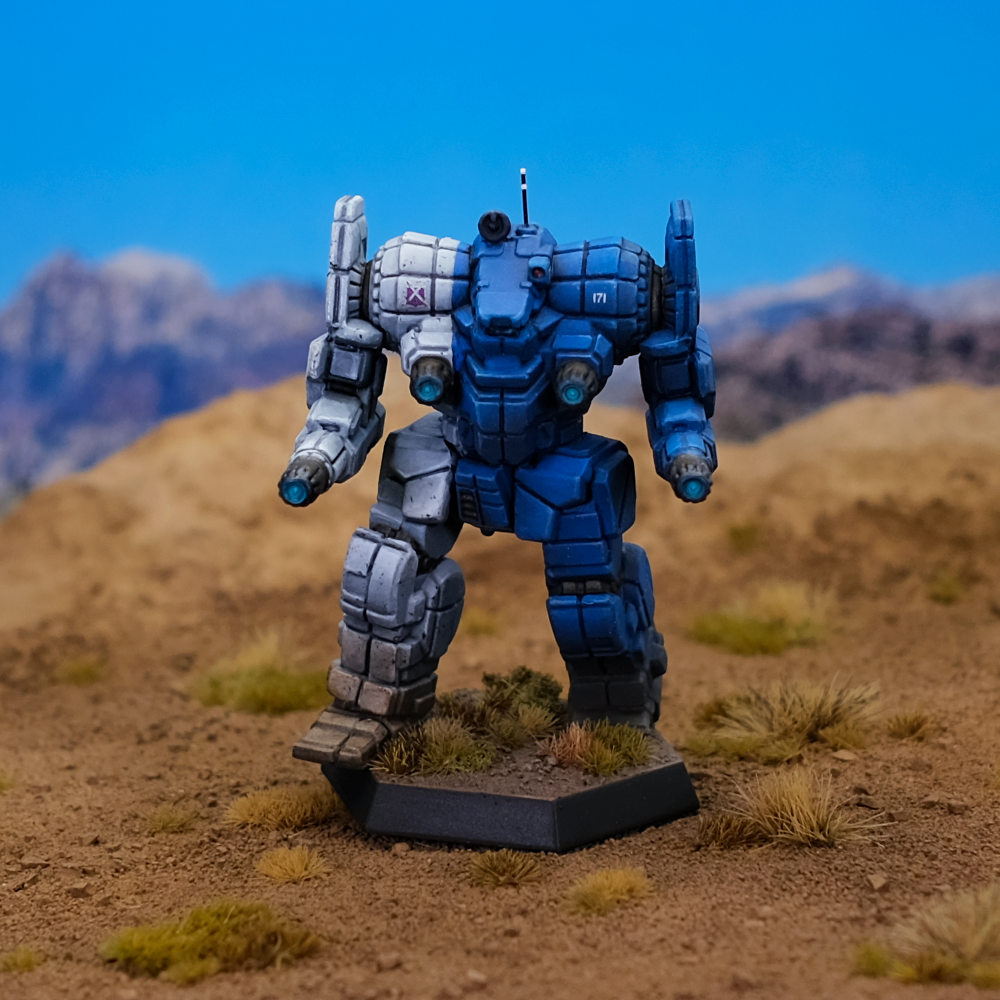
This is, of course, nowhere near a comprehensive list of all the ways you can use an understanding of scale to help improve the presentation of your miniatures. 3D printed driftwood bits can provide dead trees, 1:300 cars from architectural models can be used for urban basing, and asphalt bases can be painted with common street signage to “ground” the scene in a familiar context. As long as you keep your scaling consistent, every little bit will have a big impact and help make your models feel larger than life.